For the day of my departure

For the day of my departure

This November was marked by the departure of our friend and great artist Jaider Esbell. On “the day of the dead” our friend left his body as a freedom act or, as his indigenous relatives say, he got enchanted.

As the media has put it, Jaider was on a meteoric rise and reaching a dimension of recognition unprecedented for any brazilian indigenous artist of all times. In addition to being the spearhead of the 34th Bienal de São Paulo, a few of his main works were purchased by the Center Pompidou and many other pieces acquired by other important art collections this year. Many mysteries and questions surround his departure, but this type of consideration must be investigated by other vehicles and another type of professional. As an artist and researcher myself, I will refrain from making a free translation of the text written by Jaider in 2013 and which gives an account of the moment when he would leave this dimension of life - which, sooner than we had hoped, arrived.

For the day of my departure

“This afternoon everyone should drink pajuaru, the drink of my life, and thus raise their souls so that we are in unison.

When this body is there, solemnly rested, when my head is at last still, I want it to be covered with a fine degradable cloth. On top of that cloth, I want lots of dry leaves, picked from large native trees. On the day of my departure, I don't want them to spend all the pain in the world on their desire for my return. My time has come, which has always been awaited. I want your hearts, now cold, to feel the burning of the flames of life, to heat so much until awakening your eyes to all the beauty that still exists. I want this pain of death to be transformed, often, into a source of life, that it be like a spring, or like the waters of the first rains on the scorched ground, which is slowly soaking, moving the grains of sand and, when they soak, awaken the seeds of the past sleep to stop being like that to be lives and go out in search of the sun.

At this moment, my soul must be seeing everything from above, just as I always dreamed, absolutely free without needing protection, foundation or any material connection. Below, just the cold, comforting emptiness of infinity. I will certainly be happy.

I will accompany the birds, sometimes on their crusades. I will be part of the arrow that I have often observed from below, where everyone, at one time, must take the lead and go forward, breaking the air. Like a child for a toy, an ant for a candy, a moth for a light, I will always be following the object of my desire, which I imagine is insatiable and never loses its flavor, or a light that will never go out. I want to be like this, I miss seeing you all. I ask, my people, a little more strength. I ask this favor one more time. I want the women of my family, my eternal women, to go out in the fields to pick flowers. I ask you to accompany these women, all the others who find in me at least a hint of dignity, those who are with me and who consider this soul captive before. I want you to leave early, grab your baskets and fill them with assorted flowers. May virgin flowers be picked, still dew, the most beautiful and fragrant. I want them to see the beauties of our plowed fields, to tread the earth, to leave their tracks registered in these fields swept by the wind. These who will never be erased from the memory of those who know them. Wrongful, wrongly interpreted as bad land, that its grass is of no use, that nothing survives there. Lazy, as they say of the native who craves nothing more than food and the hammock.

I want the men, my brothers, my father and friends, for whom I would do it without measures, to go out in search of mixiri trunks. I want you to bring firewood for an entire night of fire. The fire must be bright. On that day, it must be windy and the sparks of the great fire will rise to heaven. I ask you to watch with me one more sunset and, when it descends, see the first stars shine excitedly, the scattered clouds buttery. I want to go to orange, in the eternal imminence of the beginning of a new day or a new night. I want to lie down, at this time, in the blush of the twilight. I want the birds to still see me when they are returning to their homes. So let me go. Put the mother blanket over my body and give me away so that I can be among you again in other ways. From here, I'll leave soon to be in other corners of this world. I will split, disintegrate into atomic particles that one day will still meet and be part of it again as they always will be. Part of me goes to sea and, finally, I'm going to dive with the shoals, accompany them on their routes, travel through their territory. I can go to the top of the Earth and freeze in a winter sleep, hoping to feel the heat of the sun again. I will now be starting another crusade for this old world. My soul will no longer have a place in this infinite universe and may be recycled in another body. I ask you to slowly play the land so as not to destroy the flowers, which now accompany me on this trip. I want to see my family in one body, in one desire, dreaming the same dream. I want them to remember me in my best days, when they saw my very rare and sincere smile, when they felt up close the caress of my heart, which I always believed to exist. I am a child again, in fact, I have always been one of them and always will be. I want my body to feed the children of this great tree that I am already part of, for now. The fire should be hot and their tired bodies will be lit up. I want you to look at the laboredas and follow the sparks until they merge with the stars in the sky. From there, I see the fire, a ball of light in the middle of the darkness, and in the sky, I light my star never to go out."

August Afternoons, September Mornings, October Nights, April 2013, Jaider Esbell

Entidades, 2021: monumental sculpture that, I believe, needs to be immortalized by the Bienal de São Paulo and by the state and federal governments of Brazil. Jaider's departure is historic, as is this Sao Paulo Bienal. This is the peak moment in his art career and indigenous fight for a relevant voice within western society.
Biogramaturgies

Biogramaturgies

Biograms and Space: the visibility of the monad.

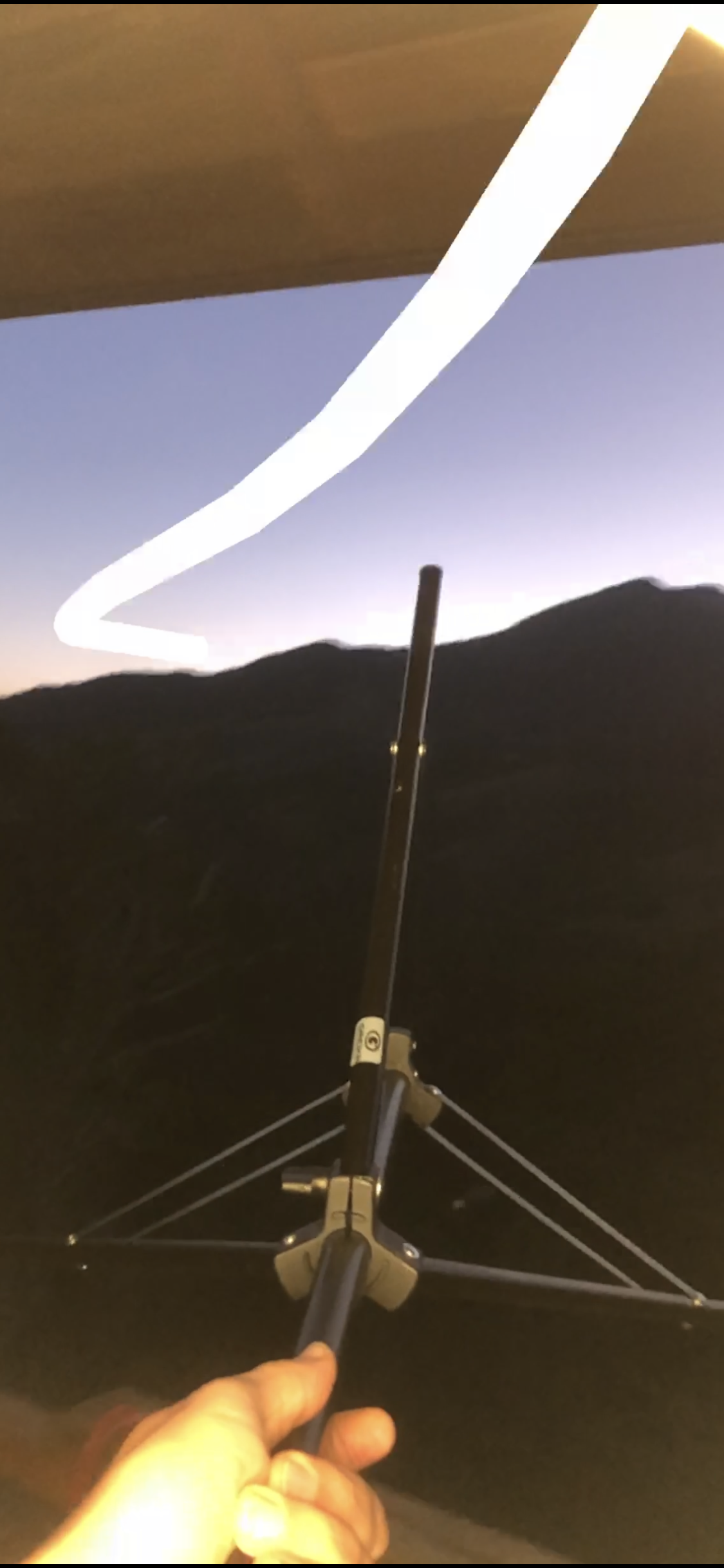
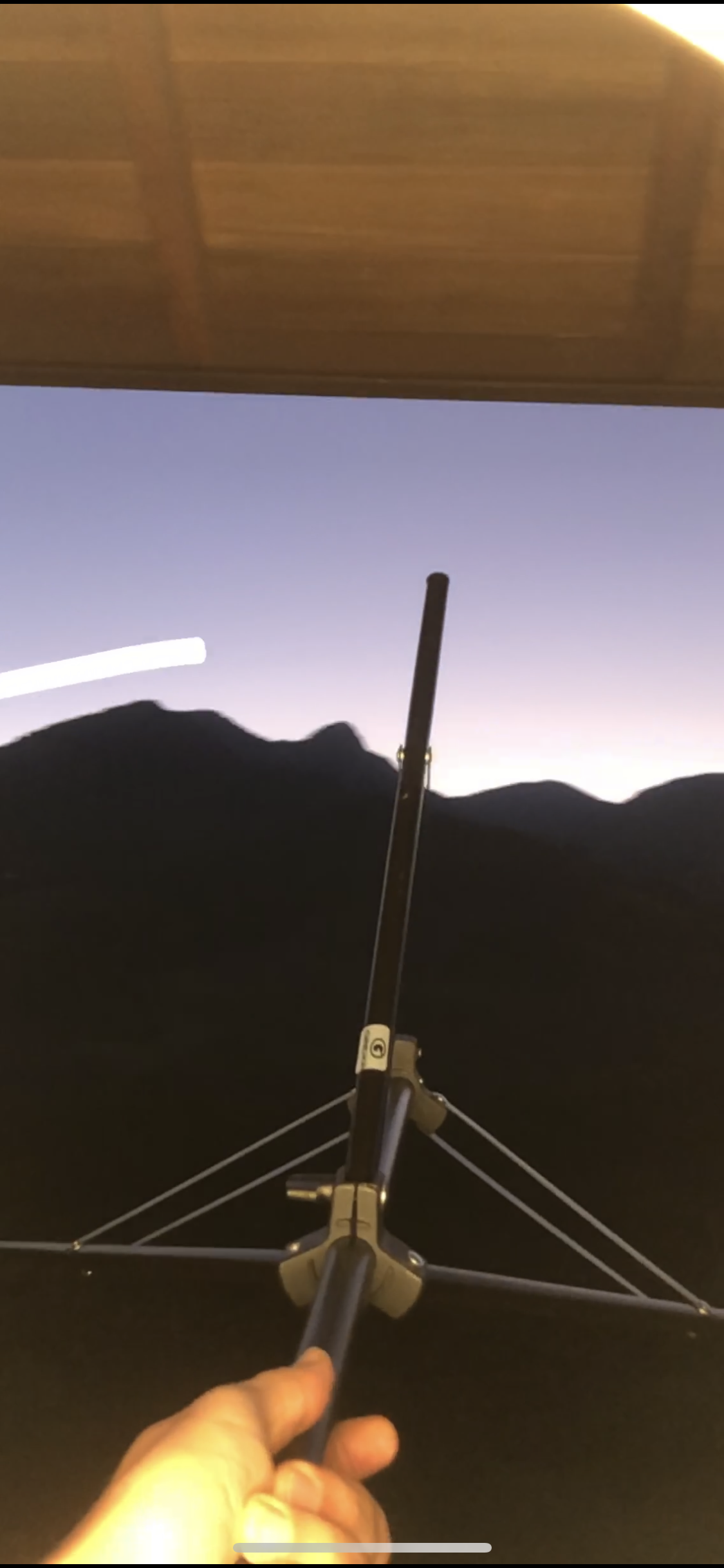
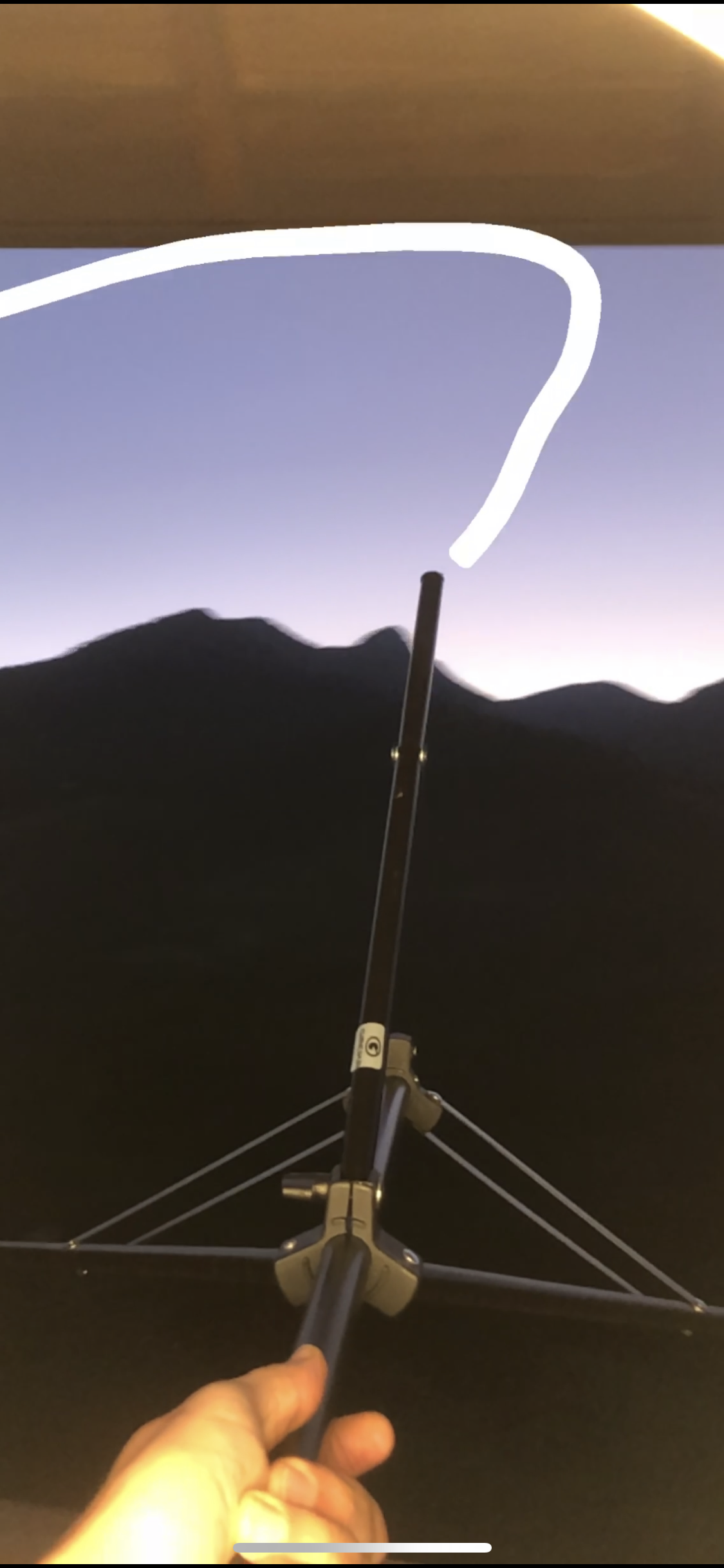
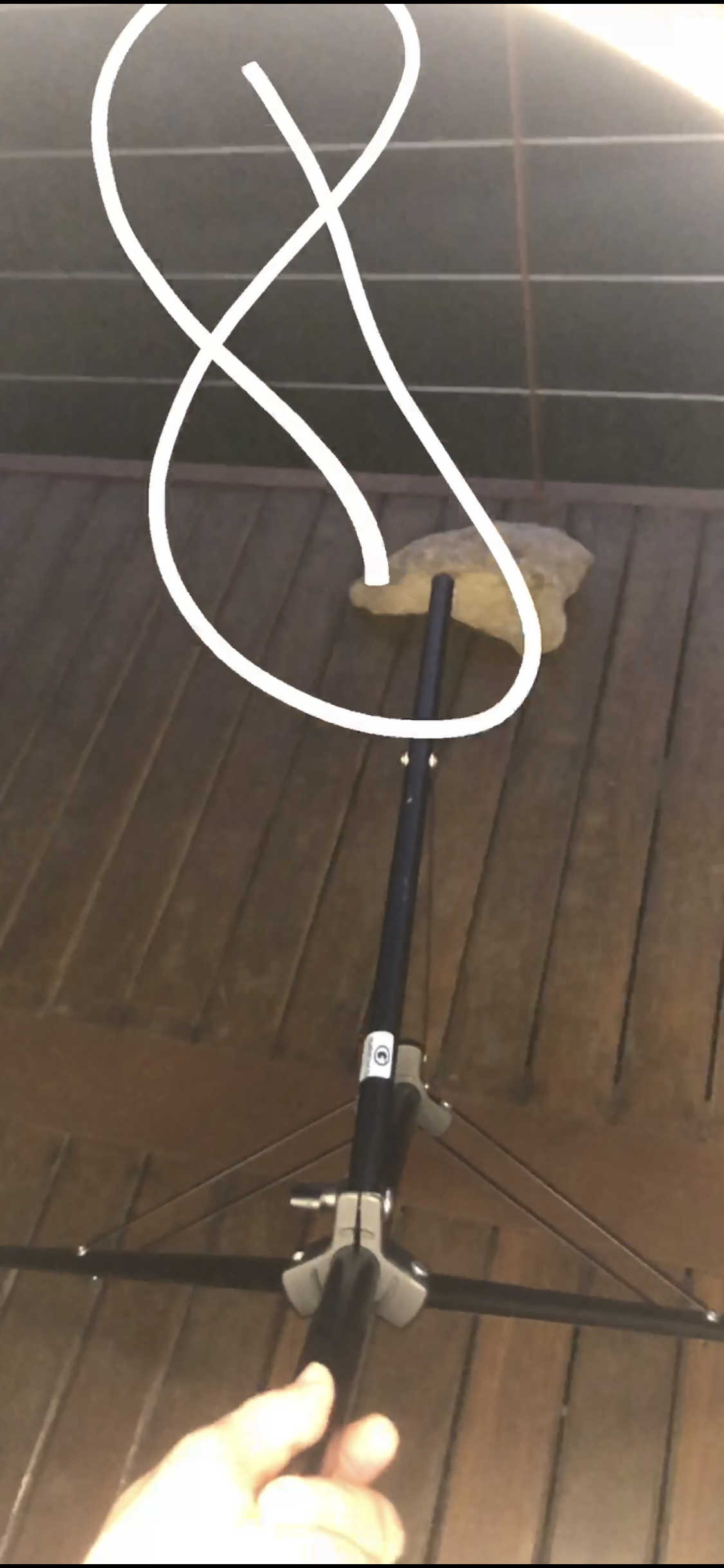
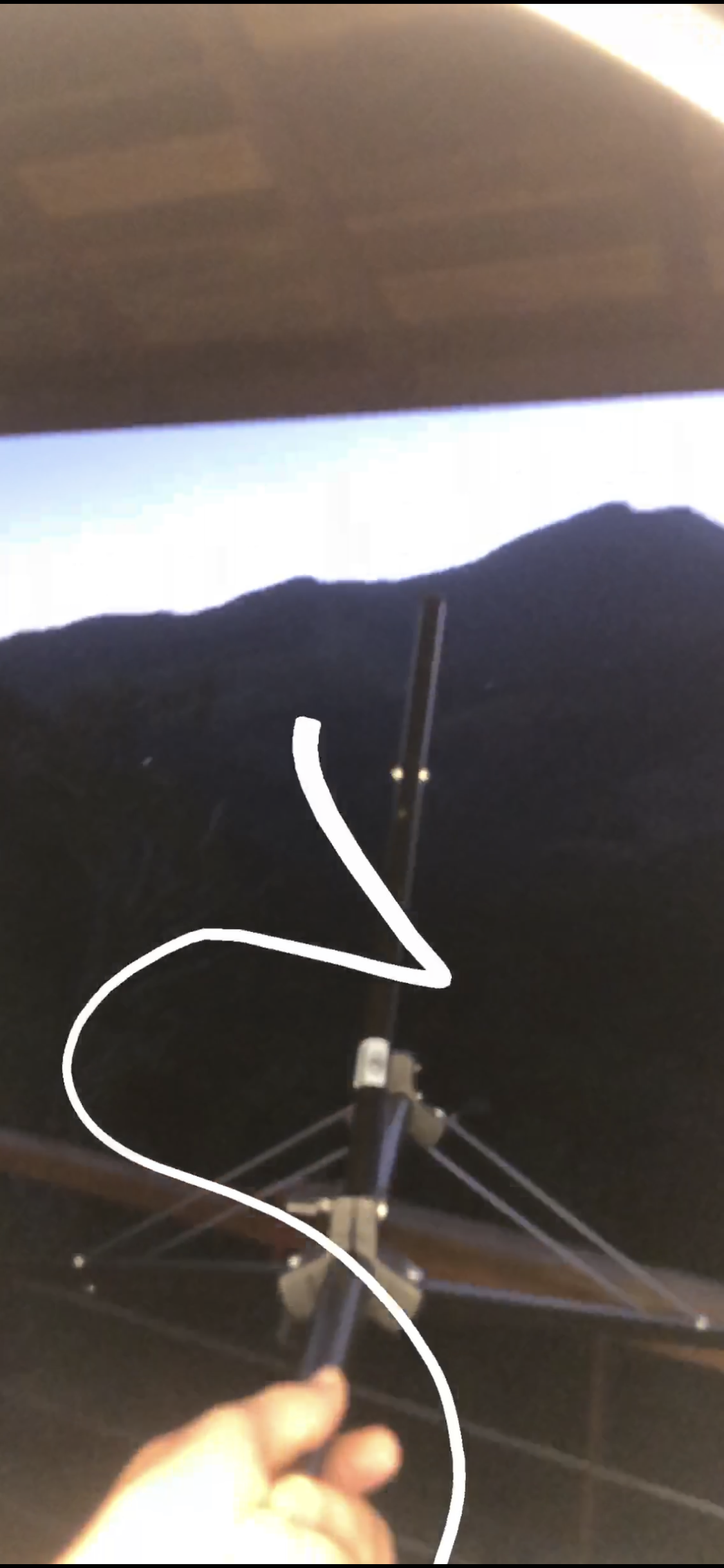
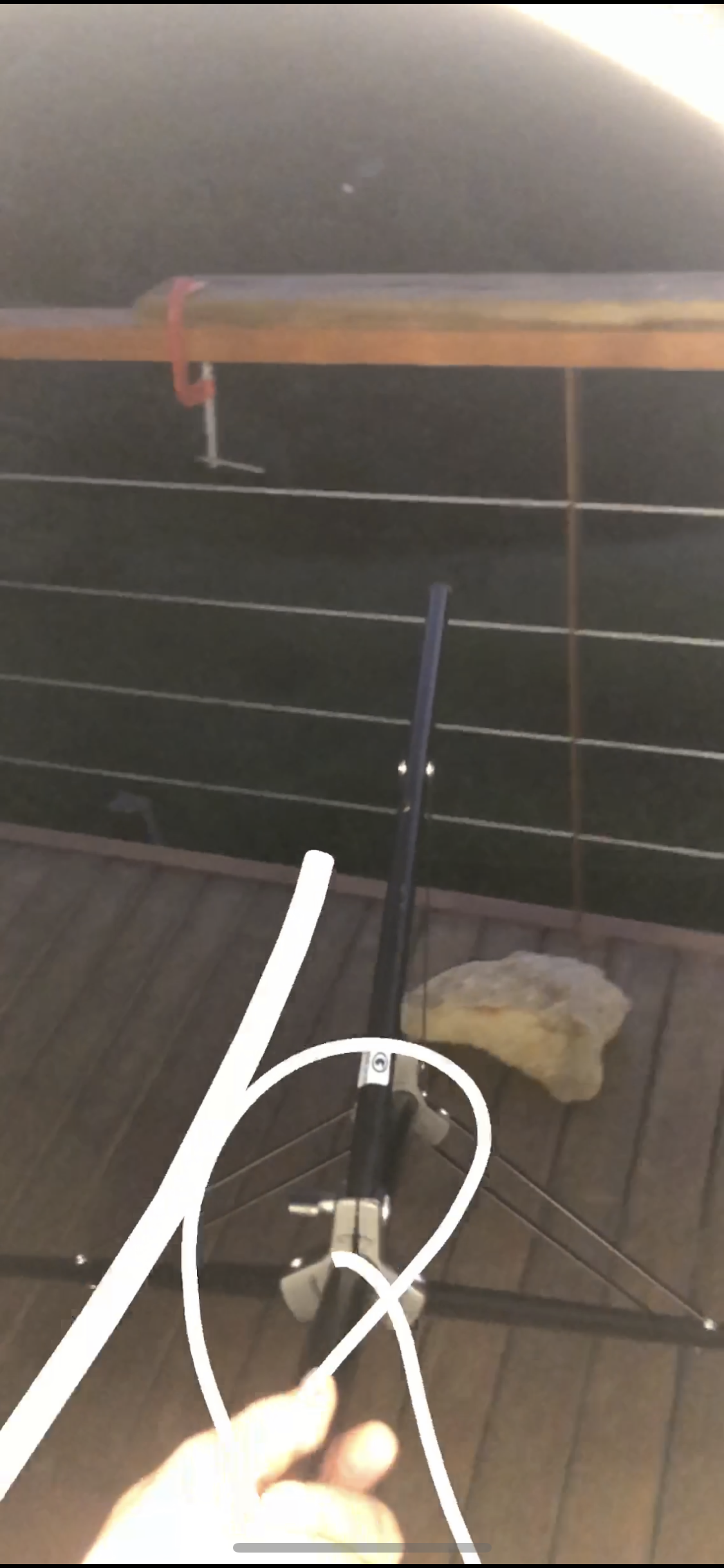
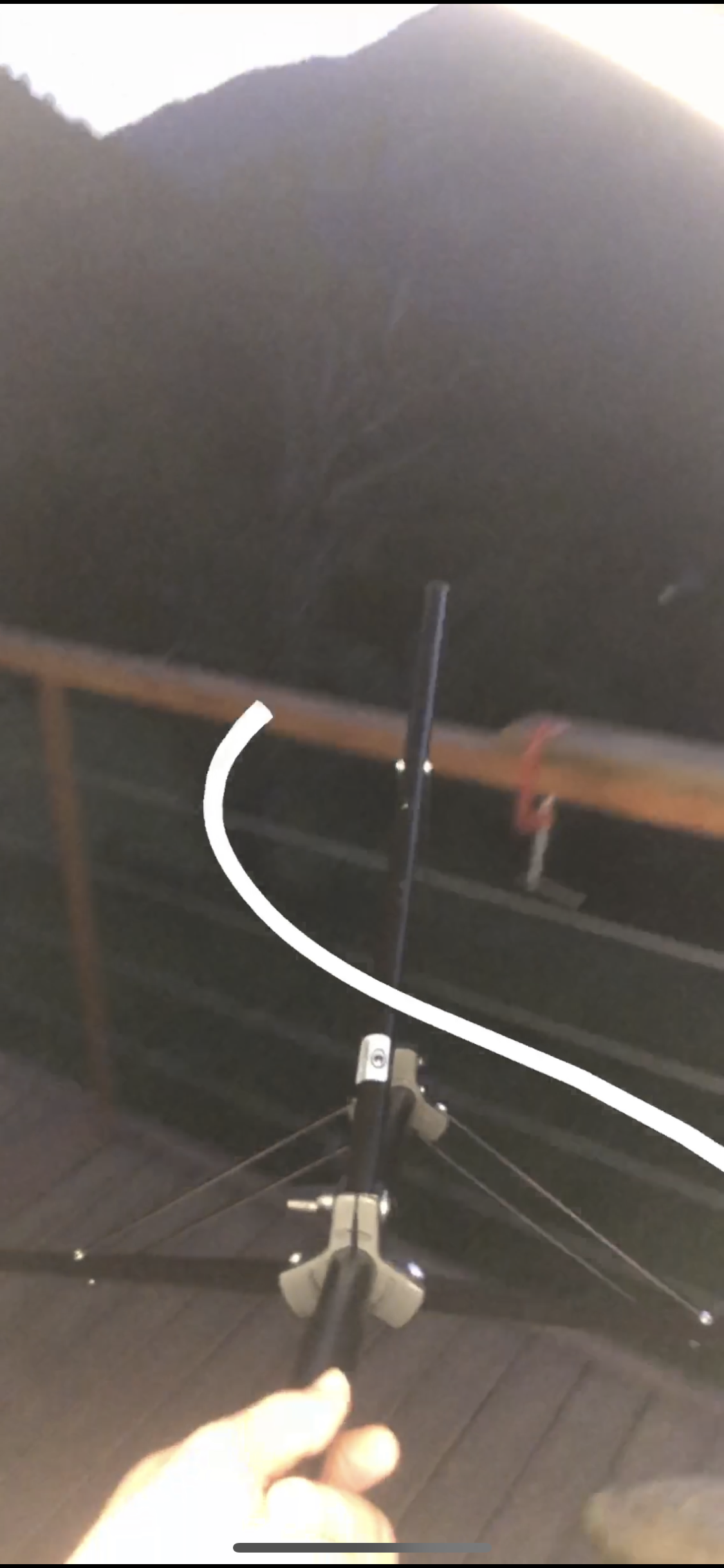
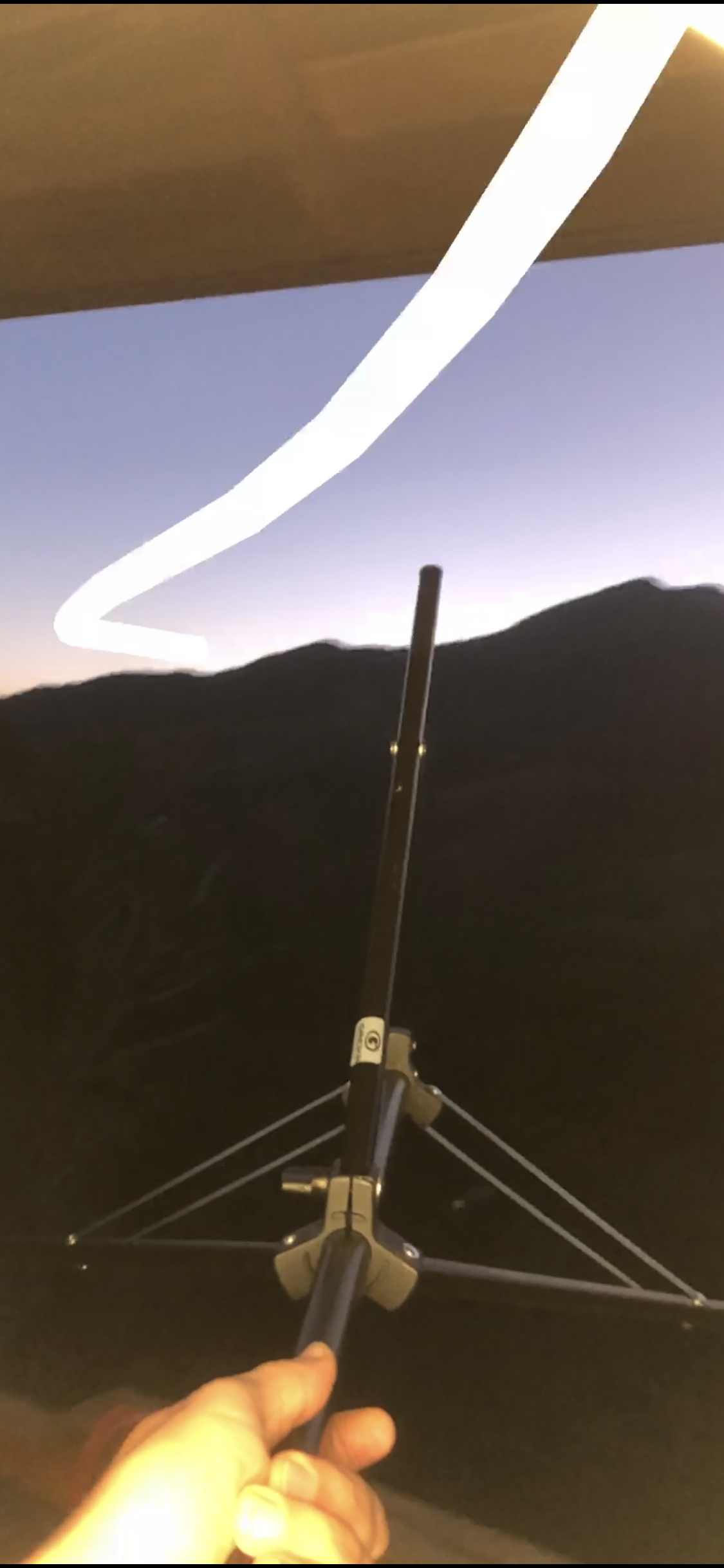
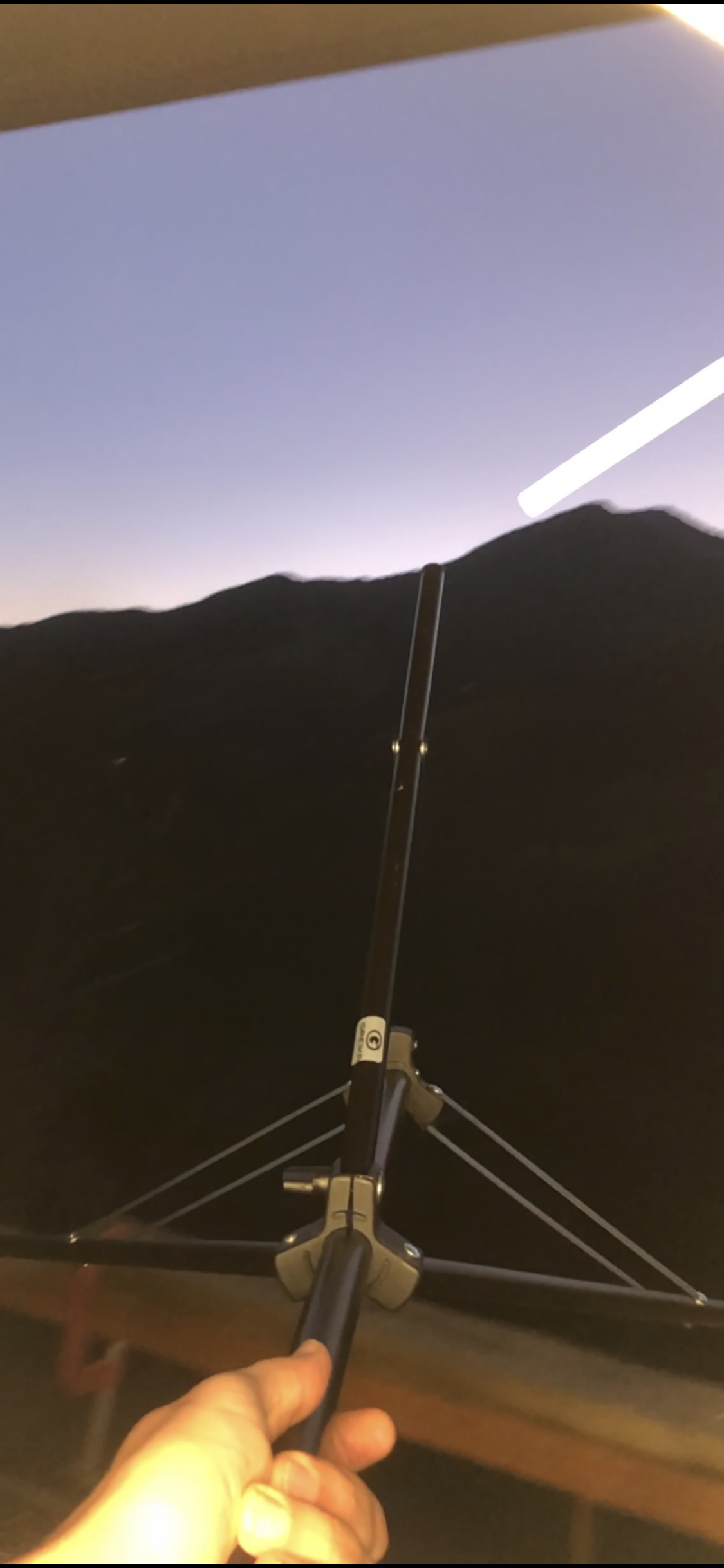
Following the process of the design research course at the Berlin Art Institute, professor and artist Dagmara Genda teased me about the relationship between biograms and space. My premise that “drawing is the trail of dance in space” seemed to her still very incipient and asked for experiments along these lines. Below are 4 raw videos taken from my experimental sessions:

The Future of Biogramaturgies.

The idea of ​​continuity for this project is to edit it and a single video, using sounds taken from the album of functional songs Recursive Iterations by artist Ryan Teague who works with the idea of ​​sound architecture and generative music.

The final goal of this study of Biogramaturgies (still hidden on the horizon of future years) is to arrive in a luminous device (light hands / light fingers) that draw sculptures in space (drawing sculptures) at the same time that they react and recreate sounds.

Light and sound are two of the pillar phenomena of human perception and in the world of biograms they are one thing - synaesthetic objects.


Biograms and other Directions.

Other correlation created by this global workshop is the interest aroused in me by the project of Juan Eduardo Páes Cañas, one of the students of the course, but a seasoned semiotician whose thesis is Raíces Corporales del Dibujo. In addition to the materiality and visual virtuality of the biograms, I also understand these as signifiers of new meanings that have not yet been fully processed by humans, crediting them with a cognitive or even ontological existence.

Biograms and Biology: a task for the “long future”.

Another provocation made by Dagmara was about the relationship between biograms and biology. For this essay, even deeper questions need to be addressed and directed so that they do not become just a rhetorical exercise on the origins of biograms and their relationship with biological life itself.

Trace Theorem: from caves to cyberdance

Trace Theorem: from caves to cyberdance

Although the tone of this text can be understood as pretentious, this is not the intention of this small “proto-paper”. Any academic rigor is being neglected now, so that, in the light of a certain naivety, I can expose my points that largely focus on the essence of drawing. Not just essence as origin but also essence as destination.

The original theorem of drawing.

The drawing of Blombos, in South Africa, is currently the oldest drawing of known humanity. Dating from around 70,000 years ago, it is difficult to say that any other human device can be perceived as more ancestral than drawing itself. Speech or music, perhaps even older phenomenas, do not have material records and belong organically to the body domain and cannot be understood as human devices but, rather, as forms of communication intrinsic to our biological project as species.

In a crude and simple way from its primeval expression to its newest expressions within human culture, the drawing can be reduced to the following theorem:

“Drawing is the memory of a trace on a surface.”

Regardless of the pigments or tools, we use to perform this procedure the recording of a trace can create an infinite number of images, which can unfold or evolve within the culture in countless ways, given their character of permanence and permanence. However, the drawing as a record or the drawing as a project depends on the procedure of the trail on the surface. Because of this, I understand this observation as a fundamental formula of design and, therefore, one of the fundamental forms of art.

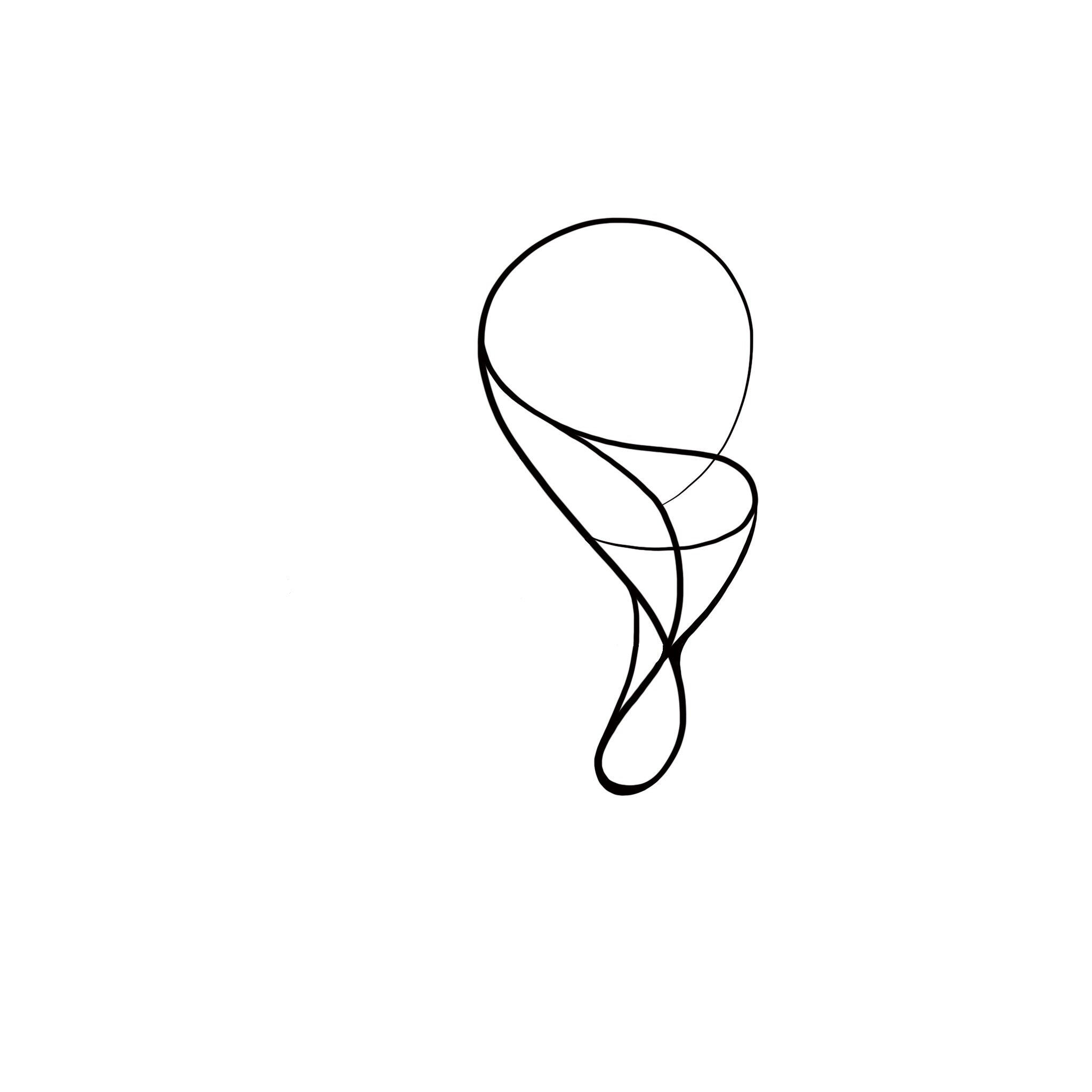
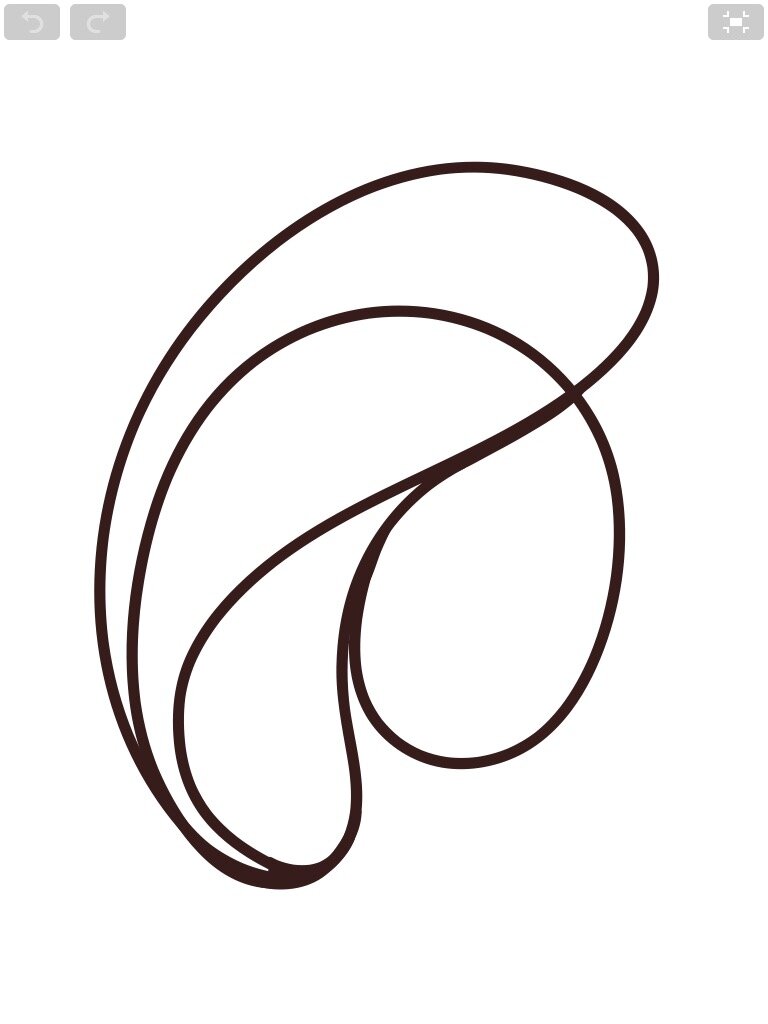
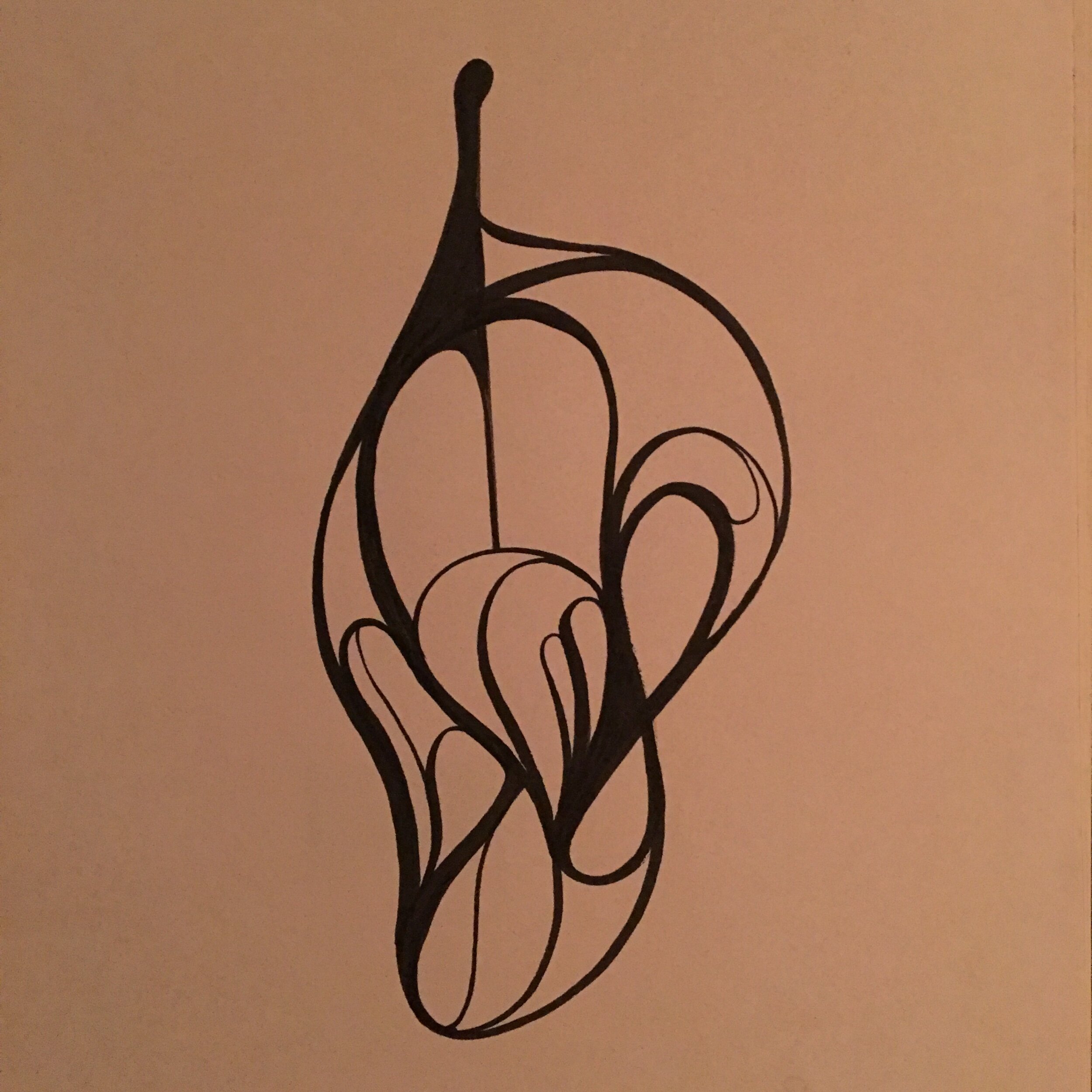
Given this observation, I started to explore a very particular form of drawing. This form consists of 10 years plus investigation about the line in space. From this obsessive and simple experimentation, what I call Biograms were born.

A new drawing theorem.

Place an image (or a bank of images) far from our artistic universe next to the biograms for a month and receive what emerges from this relationship. This is the challenge initially proposed by Ronaldo Entler during his post-graduate module in Contemporary Artistic Practices at FAAP in 2019. After marinating the drawing of two biograms next to the images of two books connected to the idea of bodies in space for almost a month, many things started happening in my psychic process in relation to the biograms themselves.

I will talk now about some of these new processes of understanding the existence, function, and relationship of biograms in the world. But initially I place here in a very direct way the change of the central axis of my understanding of what a drawing is. I can say that the drawing theorem, which even gave rise to my need to start drawing biograms, has changed from “drawing as the memory of a trace on a surface" to “ drawing as dance. ”

Forcing the relationship of these drawing lines on surfaces with bodies placed in spaces made me expand my understanding, at least, of one of the elements of my fundamental theorem of drawing. The idea of ​​surface gave way to the idea of ​​space. With the advances in digital technology, accomplishing this task has become relatively simple, even though the exploration of drawing as a memory of the trace in space is still in its early stages of expression. Its most common form occurs now within what culture calls Augmented Reality.

Researching this idea of ​​drawing in space, in a small challenge proposed by Dagmara Genda during her course ‘Drawing it out’ at the Berlin Art Institute, I responded to the task with another idea: “if every movement is a drawing, figure out a way to make your movements visible”.

Using AR (augmented reality) software I made a digital sketch as an experiment that responds in a simple way to this assignment, but that points to a series of possibilities of drawing in space and its possibility of being an essentially two-dimensional expression, for a three-dimensional expression.


Tridimensional Drawings: the real integrity of the biograms.

In my own research, this can give, for the first time, three-dimensionality to the biograms, opening up a whole new perspective not only for its production form but also leveraging questions inside the process of drawing. This discovery is revealing because it can expand our understanding of what drawing is. It is a potential actualization of the theorem: ‘drawing is the memory of the trail in space’.

I dare to point out an even more radical theorem that, certainly, creates a new brightness for the entire future productions of biograms - a new field of exploration that can be summed up in this new idea for me (and, maybe, for someone else):

"Drawing is the memory of dance in space."

- João Mognon

O nascimento dos Biogramas

Estive trabalhando nos biogramas por décadas já. Posso dizer que eles são a síntese do meu desenho.

Como muitas crianças, eu tinha uma certa compulsão por desenhar enquanto as aulas de toda a sorte de matérias aconteciam em minha frente na escola. Como uma criança-desenhista, eu tinha meus temas de preferência: soldados, guerras, armas, ‘plantas técnicas’ de mansões impossíveis (vista aérea) e, por vezes, a natureza em sua versão idílica: prados e riachos límpidos e o refulgente Sol no canto superior da página - sol cujo qual depois de meu ‘encontro’ com Georges Méliès (ainda em tenra idade) passou a apresentar um rosto que por vezes era simpático, por outras, feroz.

Fui estudando e aperfeiçoando o meu traço até meus 10 ou 11 anos de idade. O fato é que neste período algo surgiu em minha vida que mudou minha percepção sobre desenho e sobre arte para sempre: a impressora.

Meu pai havia recentemente adquirido uma impressora para a nossa casa. Junto com a chegada daquela bela máquina, chegou também uma ideia que “freiou“ meus avanços técnicos no desenho: não fazia mais sentido algum buscar o realismo ou o surrealismo através do desenho (ou mesmo na pintura) dado o simples fato de que já existiam ao dispor de qualquer pessoa aqueles fantásticos dispositivos de reprodução chamados impressoras. O surgimento das impressoras me ‘aterrorizaram’ talvez ainda mais do que as próprias telas, dado o fato de que a reprodutibilidade da imagem no plano físico tratava de uma revolução radical na interação entre o ‘plano virtual’ e o ‘plano físico’*.

Um ‘ponto zero’ na vida das imagens.

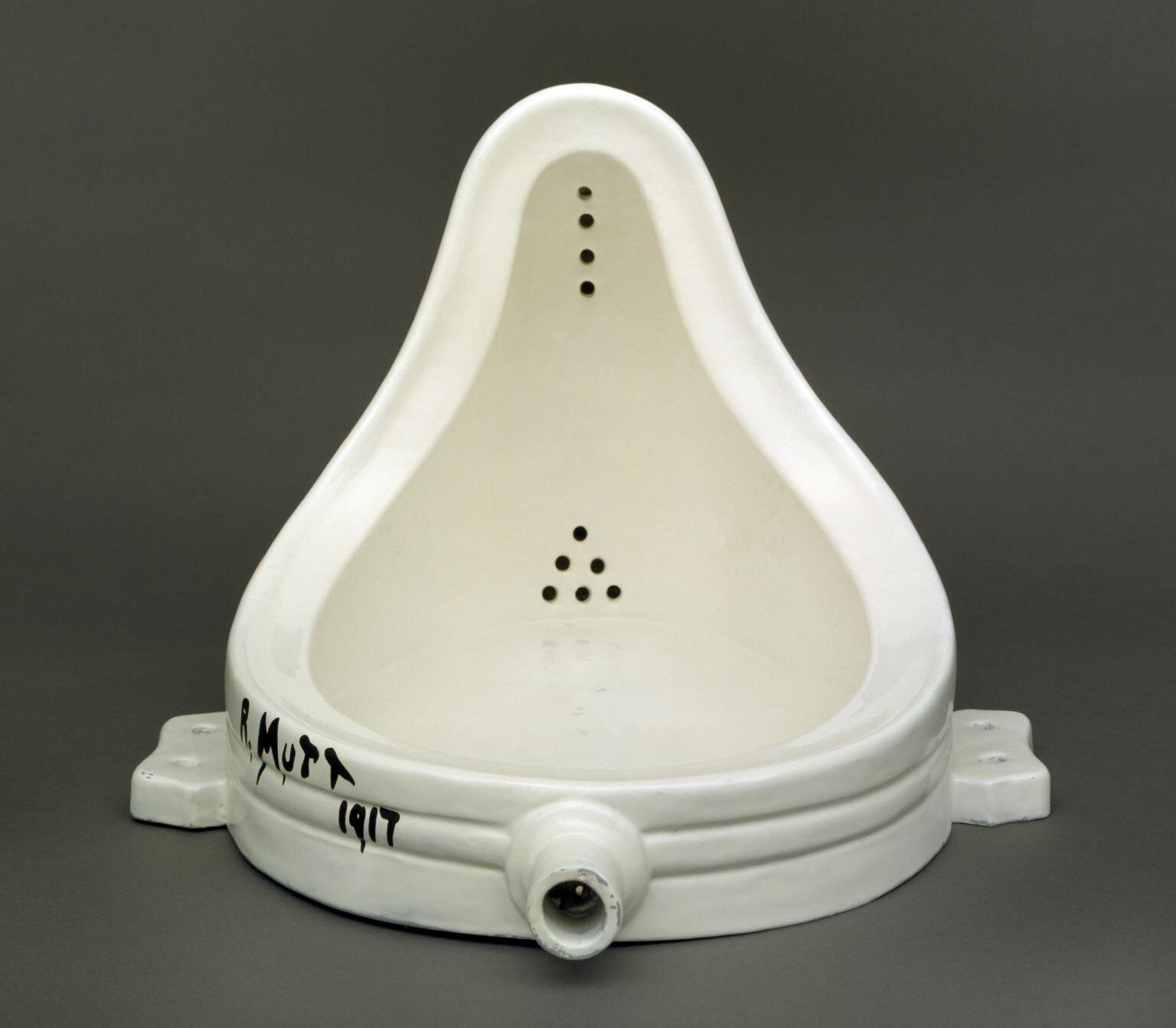
Mas para onde a coisa avançaria? A tela, claro… a tela já era por si só uma impressora-viva, imprimindo imagens em nossas retinas a todo segundo - e eu sabia que isso iria avançar ainda mais e mais ao ponto de ‘chegar em nossos corpos’. Na época, isso foi uma epifania. Usei então a própria recém-chegada impressora para imprimir uma mandala, uma monalisa e o mictório de Duchamp. Colei em meu mural. Ficaram comigo por anos, como uma espécie de lembrança de que a vida das imagens seria outra a partir daquele ponto do impressão.

Dois foram os efeitos da chegada desse novo aparelho-paradigma na minha, ainda infantil, cabeça: o primeiro é que eu me lancei às mídias digitais: passei a me interessar por filmes, videos e também em poder produzir imagens ainda não vistas com os efeitos do computador. O segundo efeito foi que parei de buscar a perfeição ou o realismo no desenho. Do desenho, a única coisa que ficou foi o prazer do rastro no papel. Em outras palavras, a libido do gesto no espaço (na folha, no ar).

A terceira vulva.

Fazia gestos e mais gestos em folhas e outras superfícies. O que surgia alio para mim era altamente sensual, cheio de sentido. Lembro que uma forma me chamou a atenção e chamei ela de ‘signo fundamental da beleza’.

f6770f58c28e7dfb6e87713f4e02aa20.png

A partir do signo fundamental da beleza eu poderia derivar. O conceito de ‘line of flight’ de Deleuze e Guatari me informaram sobre a possibilidade de derivações em arco. Pontos de fuga ‘impossíveis’ pareciam desenhar um campo que de alguma forma ‘brigava’ com o plano cartesiano modernista.

A gênese da biogramaturgia.

A partir daí, nunca mais parei de desenhar isso. Quase diariamente, passei a praticar estas quase-formas como uma quase-terapia. Algum tempo depois, passei a chamar estes desenhos de ‘biogramas’.

Desde então nunca mais busquei o avanço técnico clássico para meu desenho. Ao invés disso, comecei a buscar uma espécie de síntese. Muitos anos depois, Bernardo Paz, o criador do Inhotim, me falou algo que ressoou comigo e de alguma forma com os ‘biogramas‘: “a simplicidade é a sofisticação máxima”.

Obviamente sei que esta frase não é originalmente dele, alguns atribuem a Leonardo da Vinci. Mas o curioso disso é que nenhum destes caras são exatamente simples. Seja Bernardo ou Da Vinci, todos me parecem personas absolutamente complexas. Complexas ao ponto de, ao menos, perceberem a importância e a primazia da simplicidade.

Untitled 70.jpg

Uma diferença no Salão da Turbina

Uma diferença no Salão da Turbina

Uma diferença no Salão da Turbina.

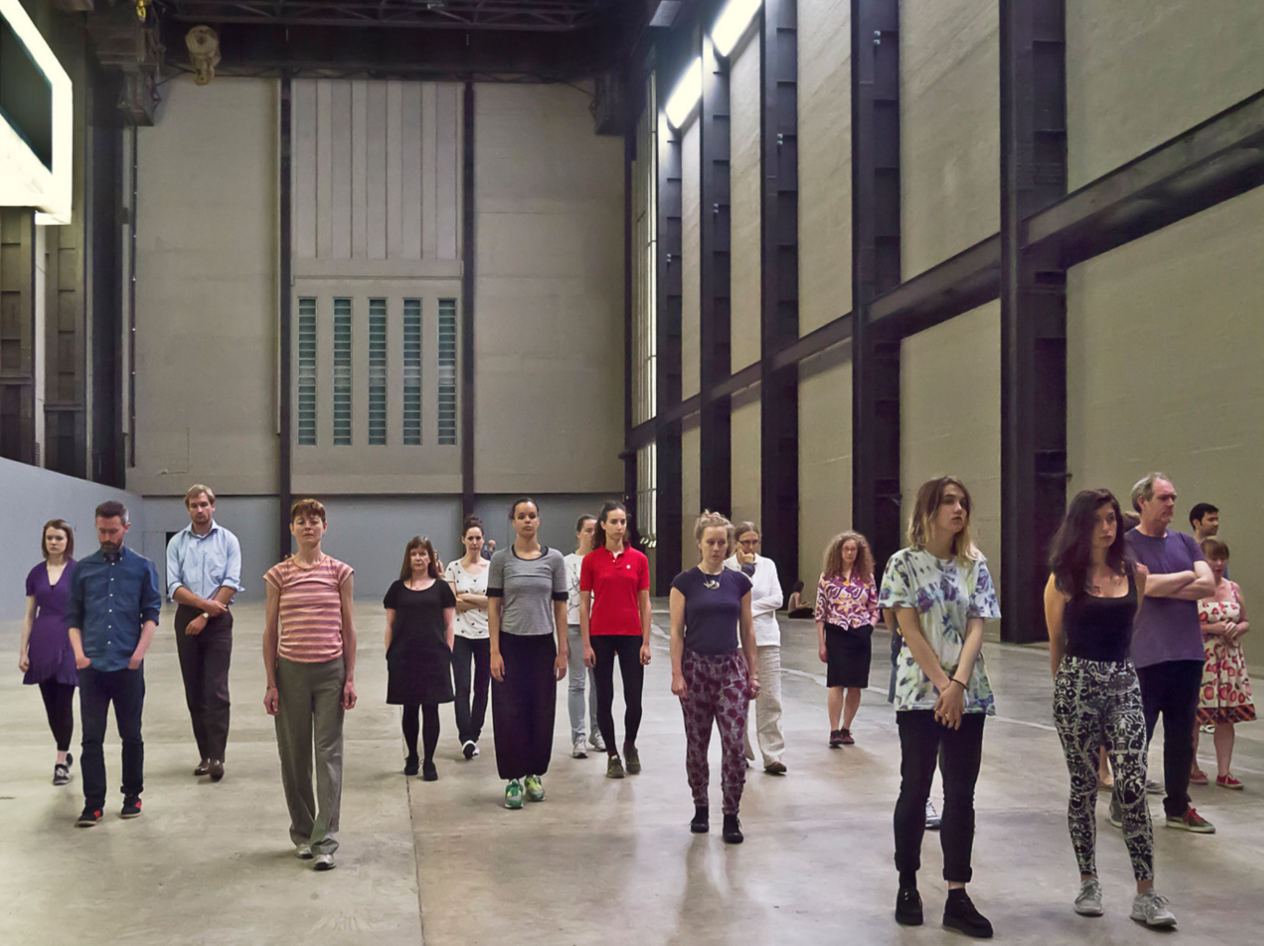
No ano de 2012 estive em Londres e fiz uma visita ao Tate Modern. Depois de explorar os andares do museu, fui descansar de minhas andanças sentando-me por alguns instantes no Turbine Hall que, diferente de outras ocasiões, não apresentava nenhuma instalação ou escultura como era de costume - ou, pelo menos, assim me parecia.

Enquanto descansava apreciando o movimento randômico das pessoas pelo grande salão, algo inusitado passou a acontecer: uma grande parte das pessoas que estavam naquele zig-zag incessante começaram a se ordenar e se mover de modo coordenado. Quando percebi esse padrão que se formava, minha atenção se transformou totalmente. Como diz Gregory Bateson: a informação é a diferença que faz diferença - e uma informação tem a capacidade de modificar por completo nossa forma de atenção e percepção da realidade. Esse é o efeito de uma verdadeira Informação - e era isso o que se passava comigo naquele instante, uma expansão de percepção pois o que ocorria ali gerava uma diferença genuína. O fenômeno que se apresentava e se desdobrava diante de mim certamente se tratava de uma grande diferença e, por isso, conseguia gerar uma diferença interior nas minhas estruturas neuronais, uma diferença relevante.

A informação é a diferença que faz diferença.
— Gregory Bateson


Algo estava realmente acontecendo no salão. Quando dei por mim já estava envolvido num coral humano que, por vezes, soava em uníssono e, em outros momentos, se deformava em um riacho cacofônico onde caóticas situações e histórias se sobrepunham umas às outras. Depois de longos e oníricos minutos, tudo aquilo se desmontou diante dos meus olhos e dos olhos dos espectadores do processo. O grupo nuclear que havia começado aquela “baderna” diluiu-se nas similitudes do cotidiano e o zig-zag impessoal típico da esfera pública voltou à sua regularidade, sem mais diferenças relevantes, sem mais nova Informação.

These Associations, 2012 - Tate Modern / Turbine Hall

These Associations, 2012 - Tate Modern / Turbine Hall

O Leão de Ouro da Bienal de Veneza.

Um ano depois fiquei sabendo que aquela situação peculiar vivida por mim tratava-se, de fato, de uma obra de arte. A obra chamava-seThese Associations e fora construída pelo artista Tino Sehgal - nomeado ao prêmio Turner em 2013. Descobri esta peça não porque fui atrás de informações sobre o acontecimento, mas porque na Bienal de Veneza de 2013 me deparei com duas situações similares que pertenciam a Sehgal que, por sinal, naquele ano ganhou o Leão de Ouro da Bienal com suas “situações construídas”. 

Olafur Elliason, The Weather Project, 2003 - Tate Modern / Turbine Hall

Olafur Elliason, The Weather Project, 2003 - Tate Modern / Turbine Hall

A peça referida acima fora, de fato, desenvolvida especificamente para ser apresentada no Turbine Hall, sendo comissionada pelo projeto Unilever Series que, em outras ocasiões, havia sido a plataforma responsável por gerar naquele mesmo espaço poderosas imagens atuais da arte contemporânea, tais como o icônico “sol” de Olafur Eliasson ou a furiosa rachadura de Doris Salcedo que rasgou de fora a fora o chão do salão, além de tantas outras obras físicas de outros renomados artistas. Mas essa obra de Sehgal era diferente. Ela não gerava imagens que pudessem ser mediadas. Nada de gritante esteticamente estava exposto ou capaz de ser capturado por um registro que não a própria vivência dos espectadores/participantes. 

Situação construída por Tino Sehgal para museu nos Estados Unidos.

Situação construída por Tino Sehgal para museu nos Estados Unidos.

Aquela experiência não foi apenas uma diferença que fez a diferença em minha vida, mas ouso dizer que Tino Sehgal é uma diferença dentro da arte contemporânea em si. Seu radicalismo em trabalhar com pessoas comuns como base de seu “suporte” negando-se, inclusive, a mediar a relação destas pessoas que ele seleciona e treina através da teatralidade ou mesmo de uma indumentária proposital, o colocam numa posição de mago transformador do cotidiano e das relações. Sehgal em suas “situações construídas”, dá continuidade à proposta de diferenciação dos Situacionistas do século XX, criando um processo contínuo de diferenciação que faz a diferença em nossa forma de receber, sentir e, mesmo, interpretar a arte.

A “situação construída” é tão fugidia quanto o tempo. Como escreve Suely Rolnik em seu texto “Memória do corpo contamina museu”:

O objeto se descoisifica para voltar a ser um campo de forças vivas que afetam o mundo e são por ele afetadas, promovendo um processo contínuo de diferenciação.

A obra de Sehgal é um processo contínuo de diferenciação que, como um segredo sussurrado ao nosso ouvido, faz a diferença para nós e para o sistema da arte contemporânea.